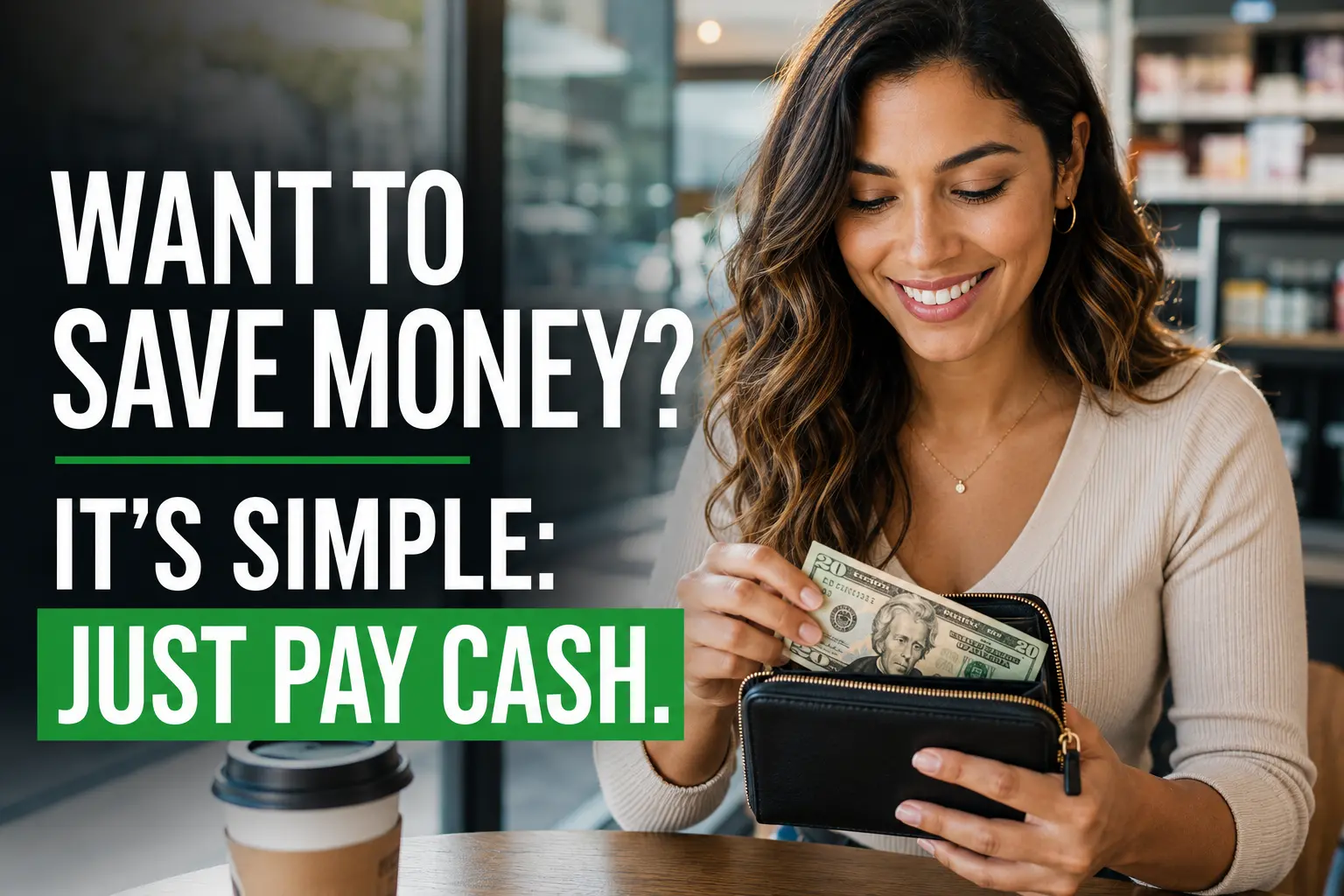
Want to Save Money? Just Pay Cash
I’ve always been a cash guy.
That probably isn’t surprising considering I’ve spent most of my career in the ATM and payments industry, but my preference for cash has very little to do with what I do for a living. It’s much simpler than that. I’ve learned over the years that when I pay with cash, I spend less money. It’s a habit that has served me well, and one that has become even more important in a world where spending money has never been easier.
A few days ago, I was talking with a friend about everyday spending. We weren’t discussing investments, retirement accounts, or complicated budgeting strategies. We were simply talking about paying for lunch, groceries, and the countless little purchases we all make without thinking much about them.
During the conversation he smiled and said, “I’m a cash guy.”
I laughed because my response came naturally.
“Me too.”
As we continued talking, I realized we had both arrived at the exact same conclusion, completely independent of one another. Neither of us had read a book telling us to use cash. Neither of us had taken a financial planning course. We had simply noticed something over the years. Whenever we paid with cash, we made better decisions. We spent less. We questioned impulse purchases. Somehow every dollar seemed a little more valuable when it was physically leaving our wallets.
That conversation reminded me of something I’ve believed for a long time. Sometimes the simplest financial habits are still the most effective.
Interestingly, researchers have been saying the same thing for years.
Behavioral economists have spent decades studying how people make purchasing decisions, and one finding continues to appear over and over again. Consumers generally spend more when they use credit cards than when they pay with cash. The difference isn’t usually because they’re trying to overspend. It’s because paying with a card simply doesn’t feel the same.
That’s why I believe one of the easiest ways to save money doesn’t require downloading another budgeting app, creating complicated spreadsheets, or listening to financial gurus on social media.
Sometimes the answer is as simple. Just pay cash.
The world today is designed to make spending effortless.
Think about how many ways businesses encourage us to buy something. We can tap our phones. We can tap our watches. We can save our credit card online and purchase something with a single click. We can subscribe to services that renew automatically every month without us ever thinking about them again. Years go by before we ourself – what’s this monthly subscription….
Convenience has become one of the biggest selling points in modern commerce.
Don’t get me wrong. I appreciate convenience as much as anyone else. Technology has made our lives easier in countless ways, and digital payments absolutely have their place. I use them when they make sense. But there is also a downside to making every purchase effortless.
When spending money becomes painless, spending more money becomes much easier.
Businesses understand this better than anyone. Retailers spend enormous amounts of time studying consumer behavior because even the smallest increase in average spending can have a huge impact on revenue. Stores carefully design checkout lanes, websites suggest products you “might also like,” and apps send notifications reminding you about items sitting in your shopping cart. None of this happens by accident. Think about your last Amazon purchase about how easy it was. Amazon has entire divisions devoted to making you spend more.
The easier it is to buy something, the more likely we are to buy it.
Cash interrupts that process.
When I reach into my wallet and pull out a twenty-dollar bill, I immediately recognize that I’m giving something up. I physically see the money leaving my hand. If I have one hundred dollars in my wallet and spend twenty, I now have eighty. There is no guessing. There is no delayed realization a month later when the credit card bill arrives.
The transaction feels real.
Behavioral economists often refer to this as the “pain of paying.” While that phrase may sound negative, it actually describes something very healthy. Feeling the cost of a purchase forces us to pause, even if it’s only for a second. That brief moment often separates a smart purchase from an unnecessary one.
Credit cards remove much of that pause.
Instead of handing over money you’ve already earned, you’re making a promise to pay later. Because the payment isn’t immediate, your brain processes the purchase differently. The item you’re buying feels real. The money you’re spending does not.
That difference may only last a few seconds, but those few seconds matter.
Researchers have demonstrated this effect in numerous studies over the years. Consumers using credit cards have consistently shown a greater willingness to spend more than consumers paying with cash. They are often less sensitive to price, more willing to upgrade products, and more likely to make impulse purchases.
You don’t need a research paper to understand why.
Just think about the last time you walked into a convenience store planning to buy one thing.
You probably walked out with two or three.
We’ve all done it.
A bottle of water becomes a bottle of water and a candy bar. A quick stop for coffee turns into coffee and a breakfast sandwich. A trip to the hardware store somehow includes a few extra items that weren’t on the shopping list.
None of those purchases seem significant by themselves.
But they add up.
Most people don’t get into financial trouble because they bought one expensive item. They get into trouble because they made hundreds of small decisions that didn’t seem important at the time.
That’s another reason I like paying with cash.
Cash naturally creates boundaries.
If I decide I’m bringing one hundred dollars with me for the weekend, that’s my budget. Once it’s gone, it’s gone. I don’t have to wonder whether I’ve exceeded my spending goal because the answer is sitting right there in my wallet.
With a credit card, the limit often feels invisible.
Technically, you may have tens of thousands of dollars of available credit, but that doesn’t mean you should use it. The problem is that our brains don’t always distinguish between available credit and available money. One is borrowed. The other is yours.
That distinction becomes easy to forget when every purchase is just another tap of a card or click on your phone.
One argument I hear frequently is that paying with credit cards earns rewards, cashback, airline miles, or hotel points.
That’s 100% true.
If you pay your balance in full every month and never carry interest, rewards can absolutely provide value. I’m not suggesting people should stop using credit cards entirely. Heck, we’re in the payments industry for goodness’s sake! But used responsibly, they can be excellent financial tools.
The question isn’t whether rewards exist.
The question is whether those rewards influence your spending.
If someone spends two hundred dollars they otherwise wouldn’t have spent just to earn three dollars in an airline credit, did they really save money?
Probably not.
Reward programs are brilliant marketing because they change the conversation. Instead of asking whether we should buy something, we begin asking how many points we’ll earn by buying it.
That’s a very different mindset.
I’ve noticed something else over the years.
Whenever I carry cash, I find myself asking better questions.
Do I really need this?
Will I actually use it?
Can it wait until next week?
Those questions don’t always stop me from buying something, but they force me to think first.
When I use a credit card, or shop online those questions often disappear.
The purchase is simply too easy.
I think that’s one of the biggest challenges facing consumers today.
We’re surrounded by technology designed to eliminate every possible obstacle between us and a purchase. Retailers don’t want you thinking too long. Subscription services don’t want you remembering renewal dates. Online stores don’t want you leaving items in your cart overnight.
They want buying to feel effortless.
The easier buying becomes, the more discipline consumers have to supply for themselves. That’s where cash quietly shines. It slows everything down just enough for common sense to catch up. One thing I’ve learned over the years is that saving money usually isn’t about making one huge sacrifice. It’s about making dozens of small decisions correctly. Skipping one unnecessary purchase probably won’t change your financial future. Skipping hundreds of unnecessary purchases over several years absolutely will.
That’s why I believe cash works so well. It doesn’t magically make people smarter. It simply helps people become more aware. Awareness changes behavior. Behavior changes results. This isn’t just true for individuals. I think businesses can learn something from it as well.
Despite all the headlines predicting a completely cashless society, cash remains incredibly important. Millions of Americans still prefer paying with cash every day. Some appreciate the privacy. Others find it easier to budget. Many simply like knowing exactly where their money is going.
There isn’t one right way to pay. Consumers should have choices. Businesses that continue accepting cash recognize that not every customer wants to pay the same way. Some people love digital wallets. Others prefer debit cards. Some, like me, still reach for cash whenever possible.
That flexibility benefits everyone. If you’ve never intentionally tried paying with cash for an extended period, I encourage you to give it a shot. Not forever. Just for a month. Withdraw the amount you normally expect to spend on lunches, groceries, coffee, entertainment, or everyday purchases. Leave your credit card in your wallet unless you truly need it. Then pay attention. Notice how often you reconsider an impulse purchase. Notice whether you compare prices a little more carefully. Notice whether you think twice before adding one more item to your basket. Most importantly, notice how much money you have left at the end of the month. You might be surprised. Maybe you’ll discover, like my friend and I did, that cash changes the way you think about spending. Maybe you’ll find that it doesn’t make much difference for you at all. Either way, you’ll become more aware of your habits, and that’s never a bad thing.
The conversation I had with my friend wasn’t really about cash. It was about control. In a world where companies compete to make spending faster, easier, and almost invisible, choosing to pay with cash is one small way of slowing things down. It’s a reminder that every purchase represents time you’ve spent working, goals you’re trying to achieve, and choices you’re making about your future.
I’m not against technology. I appreciate the convenience of digital payments, online banking, and modern financial tools as much as anyone. But convenience isn’t always the same thing as value. Sometimes convenience costs us more than we realize.
I’ve been in the payments industry for a long time, and that has only reinforced what I’ve experienced personally. Payment methods matter. They influence behavior more than most people think. For me, cash has never been about rejecting credit cards or avoiding new technology. It’s about staying intentional.
It’s about making sure I’m spending because I truly want something, not because paying has become so easy that I barely notice the money leaving. If your goal is to save more money this year, you don’t necessarily need a complicated financial plan. You don’t need expensive software or another budgeting system or an App subscription that you’ll stop using after two weeks.
You might just need a little more friction. Sometimes the oldest solution is still one of the best. Just pay cash.
At Best Products Sales & Service, we work with businesses every day that serve customers with different payment preferences. While digital payments continue to grow, we’ve also seen firsthand that cash remains an essential part of everyday commerce. Millions of Americans still rely on it, not just because it’s convenient, but because it gives them a greater sense of control over their finances. As long as people value that choice, businesses will continue to benefit from offering convenient access to cash.
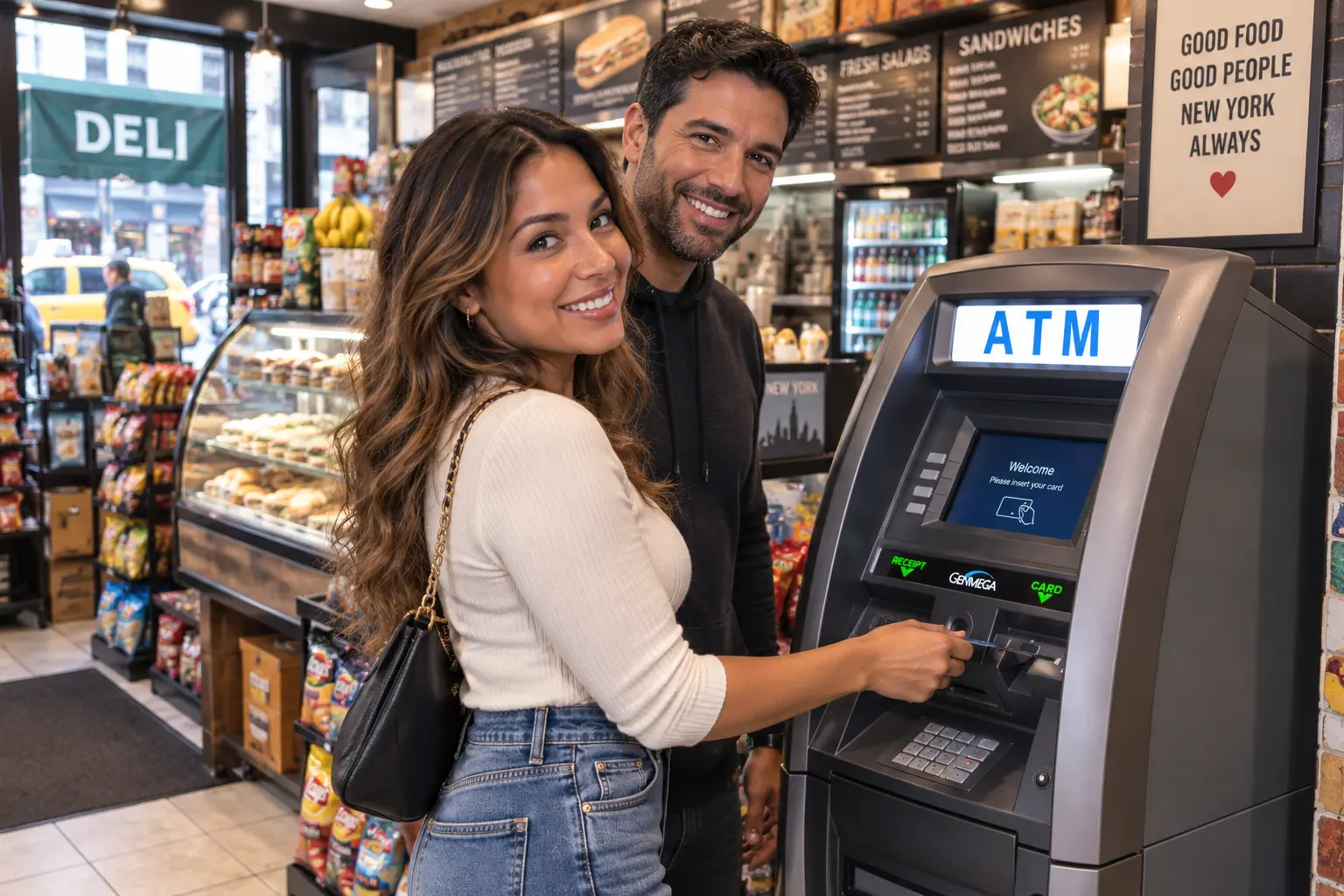
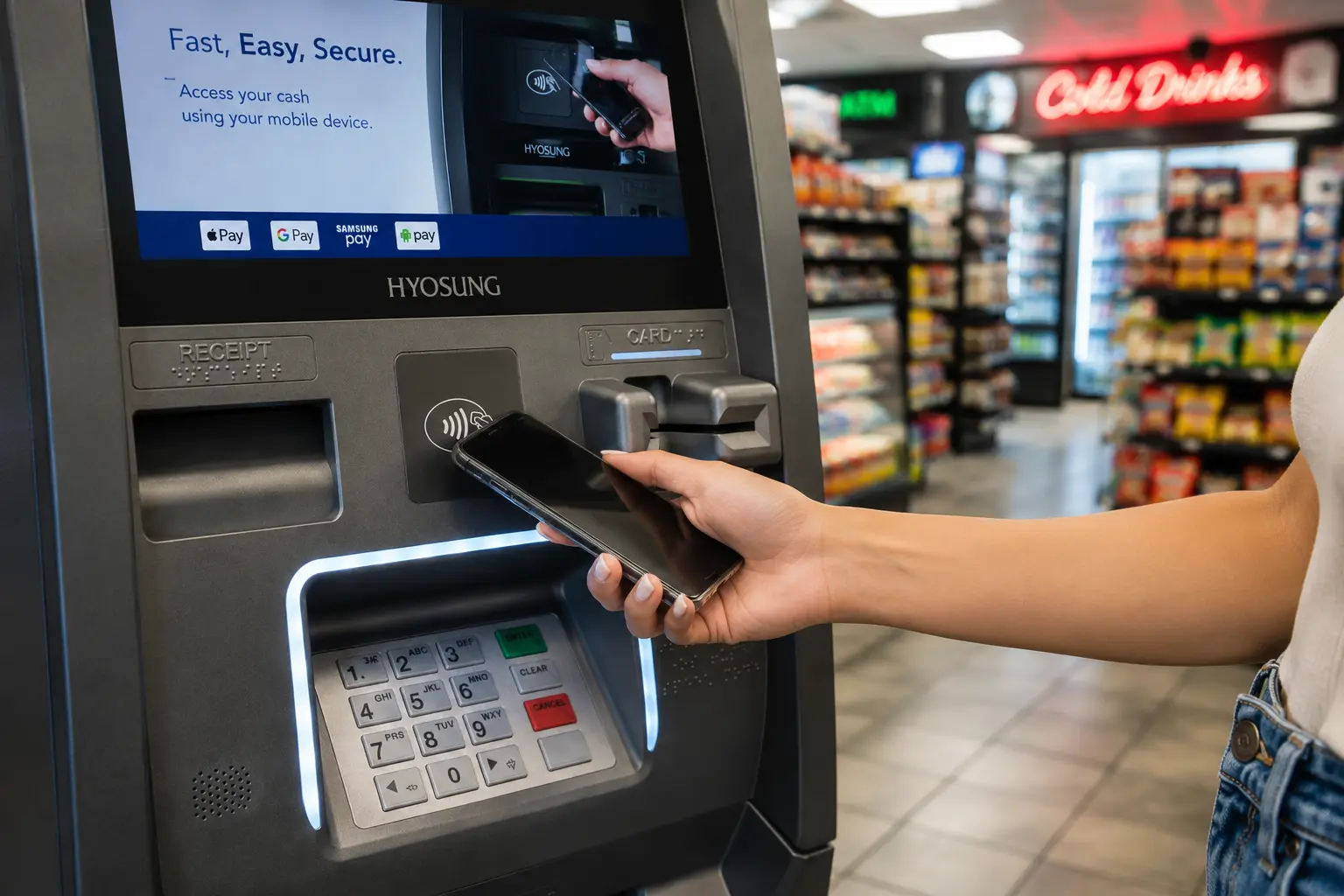
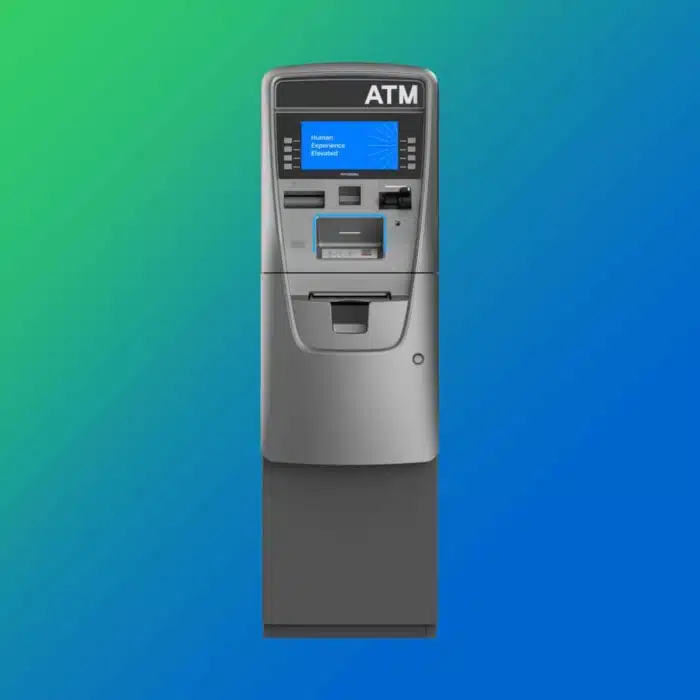
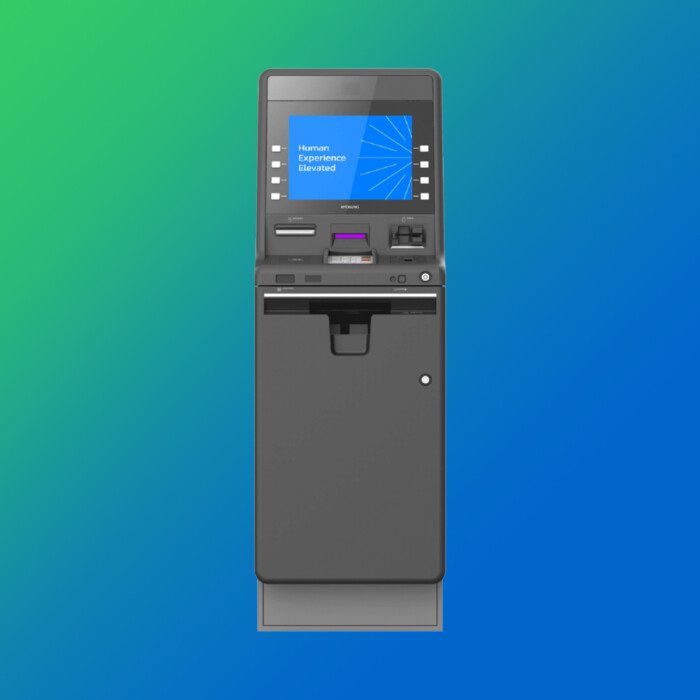
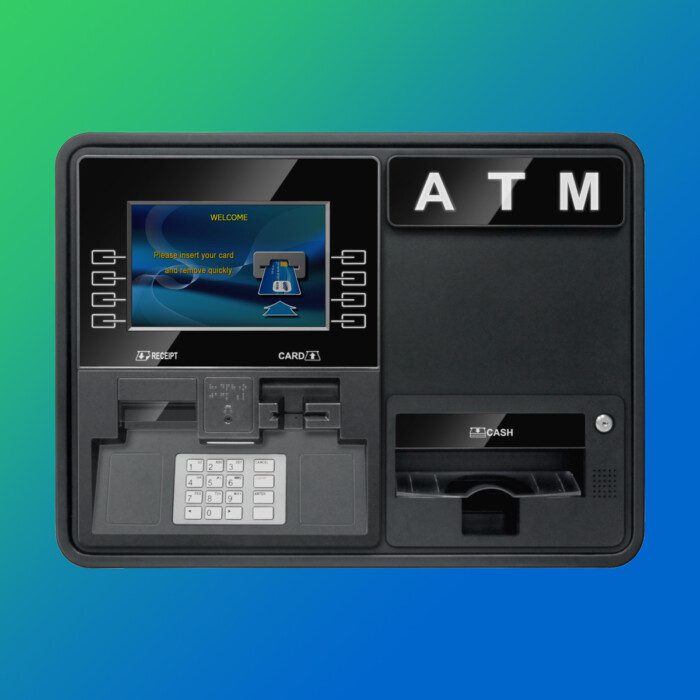
Check out some featured retail ATMs so you can see first hand how much an actual ATM is:


Ready to Get Started?
If you’re thinking about adding an ATM to your store—or you want one from a team that’s been in the industry since 1998—we’re here to help.
We’ll walk you through:
- What to buy
- Where to place it
- How to set it up
- What it should earn
- And how to avoid every mistake new buyers make
Contact Us when you are ready to get started!
Whenever you’re ready, we’re only a call or message away.
Follow Us on Social
Peter Wilkenshoff
Peter Wilkenshoff is the President of Best Products Sales and Service Inc./ BestATMstore.com. With more than 20 years in the payments industry, he has made a career out of helping businesses get paid in the simplest and smartest ways possible. Cash, cards, mobile wallets or whatever futuristic payment gadget someone invents next week, he is here for it. He loves taking the stress out of money movement and turning complex processes into something anyone can understand. When he is not working he is usually fishing, building something around the house, out on a boat, surfing or planning the next family Disneyworld trip which sounds like a strange mix until you meet him and suddenly it all adds up.
Follow Peter on LinkedIn: https://www.linkedin.com/in/peter-wilkenshoff/
Join our Newsletter