What Is the Average Wholesale Price of an ATM Machine in 2026?
If you’re trying to understand what the average wholesale price of an ATM machine in 2026 really is, you’re not alone. This is one of the most common questions we hear from ATM companies, ISOs, and business owners who want clarity without sales fluff and discounting. The short answer is that ATM pricing in 2026 is stable, predictable, and far more reasonable than many expect—especially once you understand who wholesale pricing is designed for and how it’s typically applied.
Wholesale pricing is primarily intended for ATM companies, processors, ISOs, and affiliates or partners that purchase machines in volume. These entities are officially in the ATM business. These buyers are usually deploying multiple ATMs across different locations and need consistent, repeatable pricing that supports long-term growth. That said, many modern ATM providers—ourselves included—operate very close to wholesale pricing even for single-unit purchases. Rather than creating a sharp divide between “retail” and “wholesale,” pricing is structured to remain fair, transparent, and market-aligned regardless of purchase size.
In 2026, the average wholesale price ATM machine for a standard, PCI-compliant retail unit typically falls in the mid $2,000 range. Higher-capacity machines or models designed for heavier retail traffic can push pricing closer to the $3,000 to $4,500 range, depending on configuration. Most of our partners are deploying dual 1K units, 2K units and dual 2K units, versus a store owner – who is typically purchasing a standard 1K note. Importantly, this pricing is not inflated or padded—it reflects the true market cost of modern ATM hardware that meets current security and compliance standards. Typical markups are $50 – $100 per machine if that.
For buyers purchasing a single ATM, pricing is generally the same as what’s published on our website. That price already reflects near-wholesale levels, meaning store owners aren’t paying an artificial premium simply because they’re buying one machine. The goal is to keep pricing straightforward and accessible while still providing commercial-grade equipment suitable for long-term use.
Where wholesale pricing really begins to differentiate is with volume purchases. When an ATM company or affiliate purchases multiple machines, modest bulk discounts typically apply. In most cases, this results in savings of approximately $25 to $100 per machine. These discounts aren’t about steep markdowns—they’re about recognizing efficiency in logistics, rewarding repeat business, and long-term partnerships. It’s a structure designed to reward scale without penalizing smaller buyers.
One of the reasons the average wholesale price of an ATM machine in 2026 has remained steady is that the industry has matured. Major compliance transitions are behind us, manufacturing processes are efficient, and competition among manufacturers keeps pricing honest. This stability allows ATM companies to plan deployments confidently and gives business owners clarity when budgeting for equipment.
Ultimately, the right way to look at wholesale ATM pricing is through the lens of value, not just cost. A properly priced ATM should be fully EMV and PCI compliant, supported by readily available parts, flexible enough to work with multiple processors, and built to stay in service for years. Machines priced far below market averages often compromise in ways that create higher costs later or ATM sales companies give the ATM away at below cost – and charge high costs for processing with long term contracts.
In practical terms, most buyers in 2026 will find that the average wholesale price ATM machine remains comfortably under $3,000 for standard retail applications. Whether you’re an ATM company buying in bulk or a business owner purchasing a single machine, today’s pricing environment is transparent, fair, and designed to support long-term success.
Frequently Asked Questions About the Average Wholesale Price of an ATM Machine in 2026
Who qualifies for wholesale ATM pricing?
Wholesale pricing is generally reserved for ATM companies, ISOs, affiliates, and partners purchasing multiple machines. These buyers are typically deploying ATMs across several locations rather than installing a single unit.
Do store owners pay more for an ATM machine?
Store owners purchasing one ATM usually pay standard list pricing. However, that pricing is already very close to wholesale, so there is no significant markup or penalty for buying a single machine.
When do bulk discounts apply?
Bulk discounts typically begin when four or more ATMs are purchased at once. Savings are usually in the range of $50 to $100 per machine and are intended to support fleet growth rather than one-off purchases.
Why hasn’t the average wholesale price ATM machine changed much in 2026?
ATM pricing did increase due to tariffs in 2025. Since then it has remained relatively stable due to efficient manufacturing, strong competition, and the fact that major compliance upgrades are already baked into modern machines.
Is cheaper always better when buying an ATM?
Significantly cheaper pricing should almost always raise a red flag. To put this into real-world terms, one of our best-selling machines is the Genmega G2500 series. We sell that ATM for roughly $100 over our actual cost. Yet you’ll sometimes see the same model advertised elsewhere for as low as $1,600—nearly $600 below what the machine realistically costs to acquire.
When pricing looks that far off, there’s always a catch. Companies offering deals like this typically make up the difference on the back end. That may include taking a percentage of your surcharge revenue, forcing you to use their wireless service, or requiring you to sign a costly service agreement. In many cases, these arrangements also lock you into a 5–7 year contract, limiting your flexibility if service quality drops or fees increase.
Individually, those charges may not sound extreme, but together they often add up to $120 or more per month in extra fees. What feels like a phenomenal deal at signing usually stops looking like one by month three. The upfront savings disappear quickly, and over time you end up paying far more than if you had purchased the ATM at a fair, transparent price from the start. Check back later for a whole blog post on this!
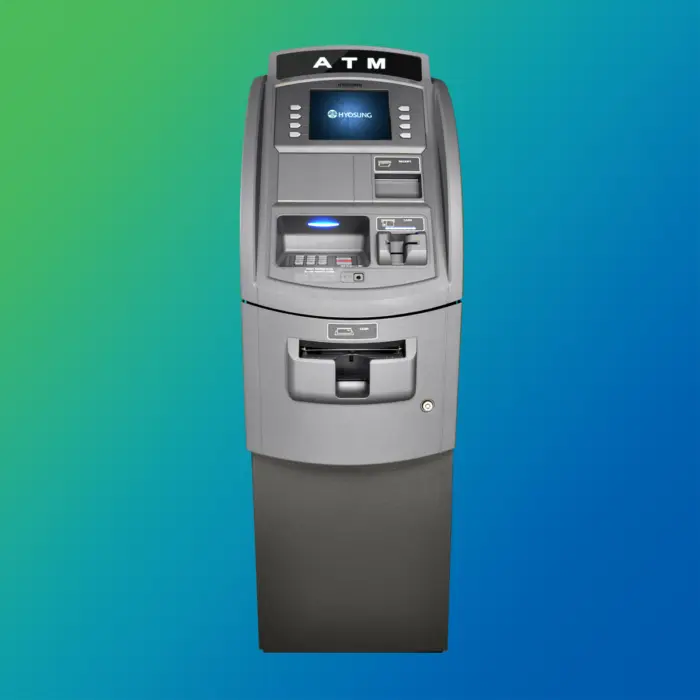
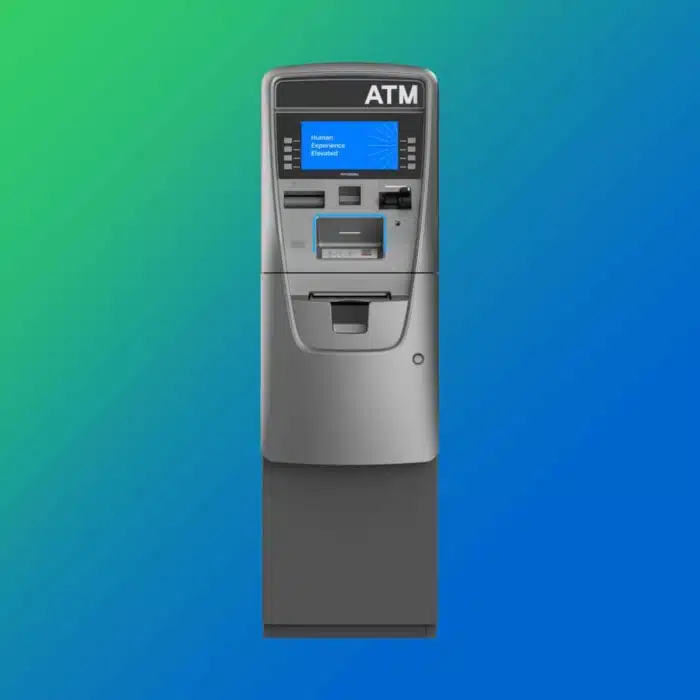
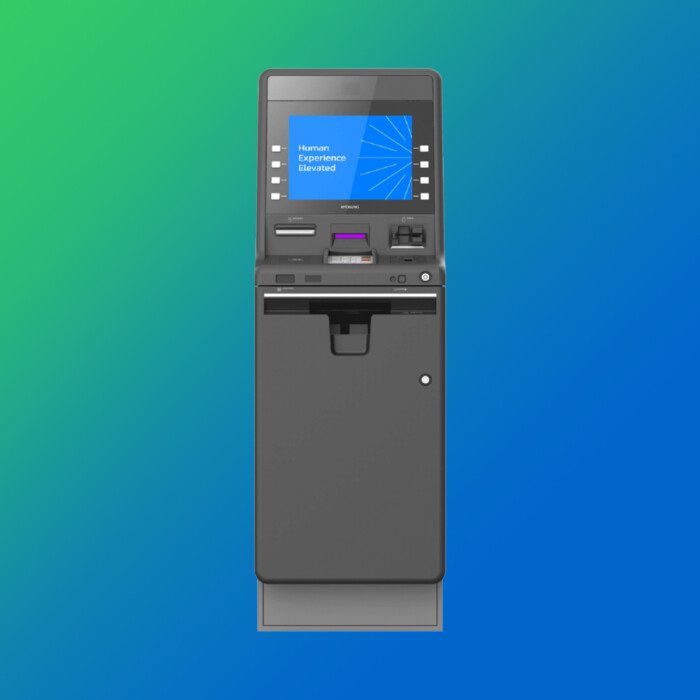
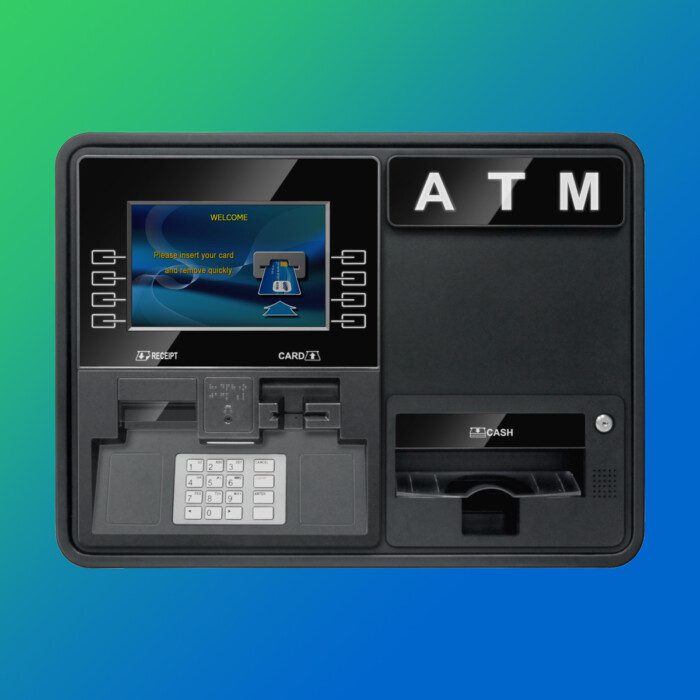
Check out some featured retail ATMs so you can see first hand how much an actual ATM is:


Ready to Get Started?
If you’re thinking about adding an ATM to your store—or you want one from a team that’s been in the industry since 1998—we’re here to help.
We’ll walk you through:
- What to buy
- Where to place it
- How to set it up
- What it should earn
- And how to avoid every mistake new buyers make
Contact Us when you are ready to get started!
Whenever you’re ready, we’re only a call or message away.
Follow Us on Social
Peter Wilkenshoff
Peter Wilkenshoff is the President of Best Products Sales and Service Inc./ BestATMstore.com. With more than 20 years in the payments industry, he has made a career out of helping businesses get paid in the simplest and smartest ways possible. Cash, cards, mobile wallets or whatever futuristic payment gadget someone invents next week, he is here for it. He loves taking the stress out of money movement and turning complex processes into something anyone can understand. When he is not working he is usually fishing, building something around the house, out on a boat, surfing or planning the next family Disneyworld trip which sounds like a strange mix until you meet him and suddenly it all adds up.
Follow Peter on LinkedIn: https://www.linkedin.com/in/peter-wilkenshoff/
Join our Newsletter