Should I buy an ATM or get a Free Placement? Which Option Is Right for Your Business?
If you’re considering adding an ATM to your business, one of the first decisions you’ll face is whether to purchase an ATM or accept a free ATM placement from an ATM company. At first glance, the answer may seem obvious. Why spend thousands of dollars on an ATM when a company is willing to provide one at no cost?
The reality is that there is no one-size-fits-all answer. Both options have legitimate advantages, and the best choice depends on your business, your goals, and how involved you are in your day-to-day operations. After helping businesses install and manage ATMs since 1998, we’ve seen both ownership and placement programs work extremely well when matched with the right customer.
Unfortunately, we’ve also seen business owners make decisions based solely on the word “free,” without understanding what they’re actually giving up in return. A free ATM is rarely free in the traditional sense. Instead of paying for the equipment upfront, you’re typically paying over time by sharing a significant portion of the revenue the ATM generates. For many businesses, that’s a perfectly reasonable tradeoff. For others, it can mean giving away tens of thousands of dollars over the life of the ATM.
Understanding the differences between buying an ATM and accepting a free placement is one of the most important financial decisions you’ll make if you’re planning to offer cash access to your customers.
The first thing to understand is how an ATM generates revenue. Every time a customer uses the machine, they typically pay a surcharge. If your surcharge is three dollars and your ATM processes one hundred transactions in a month, the machine generates three hundred dollars in surcharge revenue. While there are processing expenses associated with operating an ATM, the surcharge revenue is what makes ATM ownership such an attractive investment for many businesses.
Now let’s look at a real-world example.
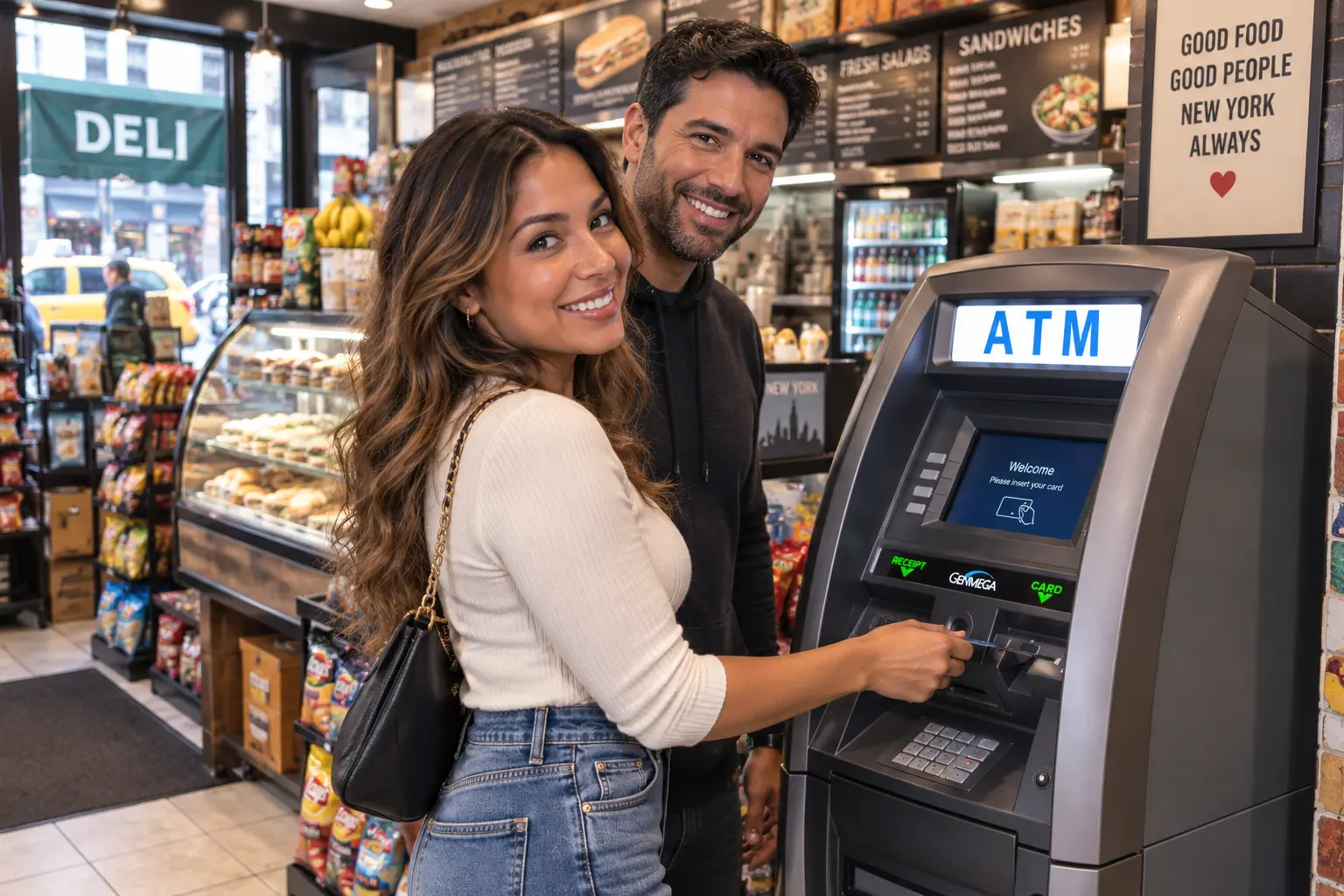
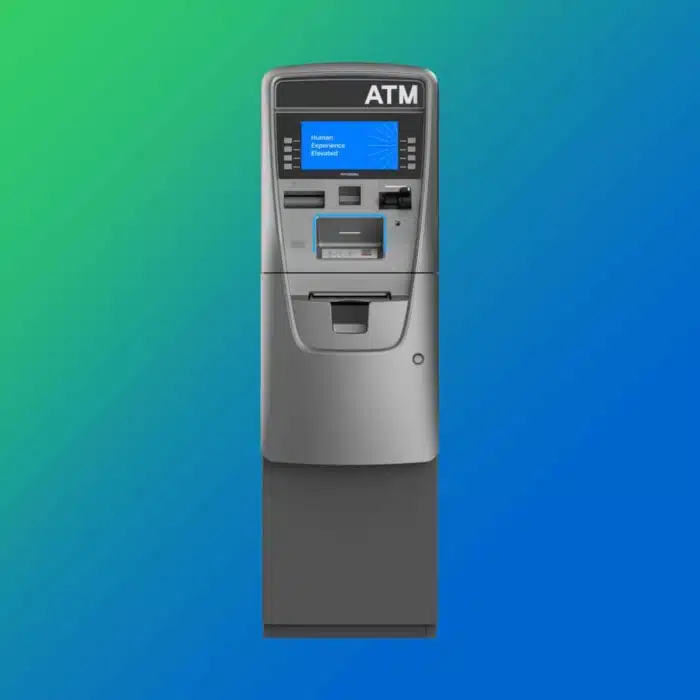
A quality retail ATM like the Genmega G2500 starts at approximately $2,500. If your ATM charges a $3 surcharge and completes one hundred transactions each month, the machine generates approximately $300 in monthly surcharge revenue. At that pace, the equipment pays for itself in less than nine months. Every month after that, the equipment is already paid for, and the revenue generated becomes significantly more profitable because your largest investment has already been recovered.
In reality, however, one hundred transactions per month is often considered a conservative estimate. Many successful retail locations exceed that number by a wide margin. Convenience stores, liquor stores, barbershops, salons, bars, grocery stores, laundromats, and similar cash-friendly businesses frequently process considerably more transactions each month. Based on our experience working with thousands of ATMs nationwide, the average owner-operated ATM is often paid off in approximately four to six months.
That is one of the biggest reasons why ATM ownership continues to grow in popularity. Once the machine has paid for itself, the revenue continues while the equipment often remains in service for many years.
Of course, owning an ATM is not the right solution for everyone.
Free ATM placement programs exist for a reason, and when they’re matched with the right business, they provide tremendous value. The ATM company purchases the equipment, installs it, services it, manages the processing, and generally handles everything required to keep the ATM operating. In exchange, the placement company retains some or all of the surcharge revenue generated by their machine.
This business model works because the placement company is making the investment on its own. They purchase the ATM, install it, stock it with their money, monitor the equipment, provide technical support, and dispatch service technicians when necessary. None of those services are free to provide, so the placement company earns its return by sharing in the revenue generated by the ATM.
That is why we never describe free ATM placement as a bad option. In fact, for many businesses, it is exactly the right solution.
For example, imagine you own several businesses but rarely spend time at any of them. Perhaps you have managers running your locations while you focus on expansion, investments, or other ventures. In that situation, purchasing an ATM may not provide the same advantages as it would for an owner who is present every day. Since you’re not available to refill the ATM, respond to minor issues, or oversee its operation, allowing a placement company to manage everything can be an excellent decision.
The same is true for businesses that simply do not want another responsibility. Running a successful business already requires managing employees, customers, vendors, inventory, marketing, payroll, taxes, maintenance, and countless other tasks. Some owners would rather let an experienced ATM company handle every aspect of the ATM while they focus on growing their core business. There is absolutely nothing wrong with that approach.
Where ATM ownership becomes especially attractive is for owner-operators.
If you’re already opening the store every morning, closing it every evening, counting your register, making bank deposits, managing inventory, and interacting with customers throughout the day, owning the ATM often makes tremendous financial sense. You’re already on-site. Filling the ATM with cash becomes another routine business task rather than a major inconvenience. Its an extra 5 minutes a week.
More importantly, you retain something that many business owners don’t initially think about.
Control.
Control is perhaps the biggest difference between owning an ATM and accepting a placement program.
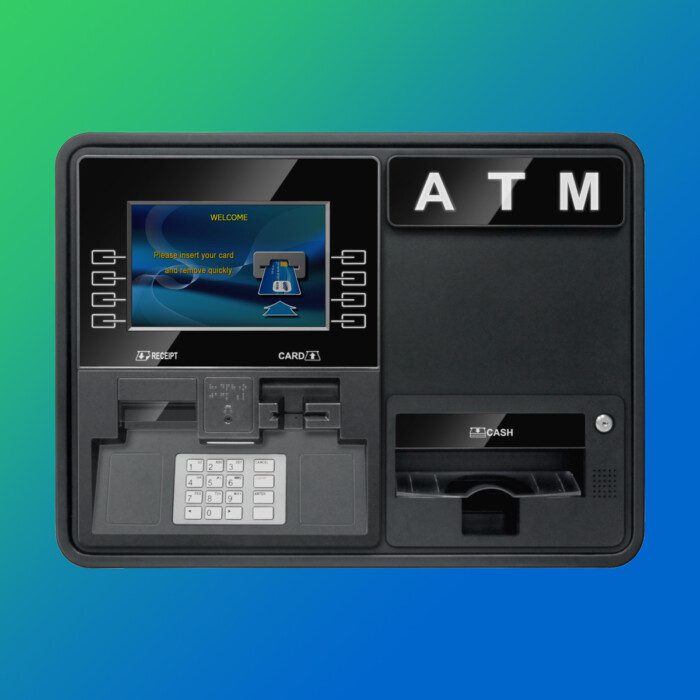
When you own the ATM, you control the equipment you purchase. You decide which manufacturer you prefer. You choose whether a Genmega Onyx, Genmega G2500, or another model best fits your business. You select the processing company you want to work with- normally Best Products. You determine your surcharge amount based on your market. You choose who services your equipment. You decide when to upgrade, when to replace components, and when to make changes that improve the customer experience.
With a placement program, many of those decisions are made by someone else in their best interest, not necessarily yours.
Again, that isn’t necessarily bad. In many situations it’s actually beneficial because it removes responsibility from the business owner. However, it does mean giving up a certain level of flexibility.
We’ve spoken with business owners over the years who were surprised to learn they couldn’t simply change their surcharge amount or because those decisions belonged to the placement company. Others wanted faster service or preferred a different ATM manufacturer but were limited by the terms of their placement agreement.
Those situations aren’t examples of placement companies doing anything wrong. They’re simply examples of how ownership and placement naturally differ.
Transparency is another important consideration.
When you own your ATM, it’s easy to understand exactly how your machine is performing. You know how many transactions occurred, what revenue was generated, what your expenses were, and what your return on investment looks like each month. You have direct visibility into your ATM as a business asset.
With placement programs, reporting varies from company to company. Many excellent providers offer detailed reporting and revenue statements, online access, while others provide absolutely no information. Maybe they even pay you a commission each month by giving you a few $20 bills when they replenish the machine. Its amazing how many business owners have purchased their own machines because of dishonest ATM placement company business practices – especially in our home city of New York.
Speaking of New York City – We occasionally have business owners ask us how much we’ll pay them to switch their ATM business or how much well give them to place an ATM in their business. It’s a fair question, especially in markets like New York City where large sign up bonuses are heavily advertised for high volume locations. Our response is simple: we’d rather help you maximize your long-term earnings than entice you with a large upfront check that may ultimately be recovered through reduced revenue sharing. When evaluating any bonus offer, it’s important to understand exactly how it’s funded, how it affects your future income, and when you’ll begin receiving your full share of the ATM revenue. I can 100% promise you, and deal that involves a large cash signup bonus on day, is typically the deal that leaves you with the least money in your pocket over the course of the business relationship.
Before entering into any placement agreement, it’s always worth asking how reporting works, how revenue sharing is calculated, and how often you’ll receive payments.
These conversations shouldn’t be viewed as confrontational. They simply help ensure both parties have the same expectations from the beginning, which ultimately leads to a better long-term relationship.
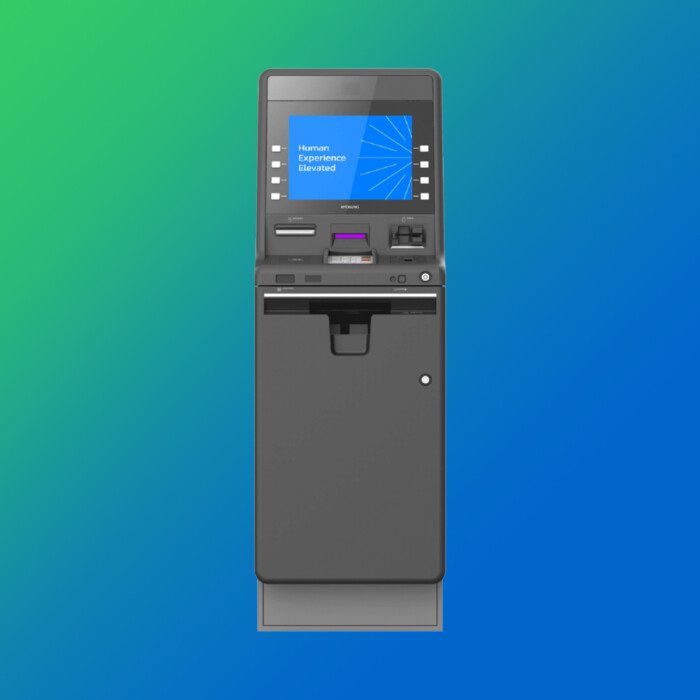
Check out some featured retail ATMs so you can see first hand how much an actual ATM is:


Ready to Get Started?
If you’re thinking about adding an ATM to your store—or you want one from a team that’s been in the industry since 1998—we’re here to help.
We’ll walk you through:
- What to buy
- Where to place it
- How to set it up
- What it should earn
- And how to avoid every mistake new buyers make
Contact Us when you are ready to get started!
Whenever you’re ready, we’re only a call or message away.
Follow Us on Social
Peter Wilkenshoff
Peter Wilkenshoff is the President of Best Products Sales and Service Inc./ BestATMstore.com. With more than 20 years in the payments industry, he has made a career out of helping businesses get paid in the simplest and smartest ways possible. Cash, cards, mobile wallets or whatever futuristic payment gadget someone invents next week, he is here for it. He loves taking the stress out of money movement and turning complex processes into something anyone can understand. When he is not working he is usually fishing, building something around the house, out on a boat, surfing or planning the next family Disneyworld trip which sounds like a strange mix until you meet him and suddenly it all adds up.
Follow Peter on LinkedIn: https://www.linkedin.com/in/peter-wilkenshoff/
Join our Newsletter