What Are the Maintenance Requirements of an ATM?
Running an ATM is far simpler than most people expect. Whether you are a retail store owner, an entrepreneur starting an ATM business, or a seasoned ATM operator, the day-to-day maintenance is surprisingly light. Modern ATMs are designed to run for years with very little attention, and the most important tasks revolve around keeping the machine clean, dust-free, and operating in a safe environment. When preventative maintenance is done consistently, an ATM can run smoothly with minimal downtime, fewer service calls, and a longer lifespan.
Everyday ATM Care Starts With Cleanliness
ATM machines sit in high-traffic areas. Customers touch them all day. Dust gathers inside every machine over time. And because an ATM relies on precise mechanical parts, keeping everything clean is truly the foundation of maintenance.
A clean ATM simply performs better. It reads bills more accurately, dispenses more reliably, and avoids the slow buildup of dust that can create sensor issues or cause rollers to slip. None of this requires special skills—you can perform basic cleaning quickly and easily.
Weekly Exterior Cleaning
The exterior of the ATM should be wiped down at least once per week. This keeps the machine looking professional, prevents grime from building up around the keypad and screen, and helps promote usage. You probably clean your store daily- why not clean your ATM too.
Always use a non-solvent cleaner like Windex or a similar mild product. Spray the cleaner onto a cloth—not directly onto the ATM. Spraying into crevices or gaps can push liquid toward sensitive electronics, especially around the keypad, card reader, or dispenser area. A simple wipe down is all you need to keep it looking clean and customer-ready.
Taking sixty seconds each week to clean the exterior also gives you a chance to check for anything unusual: loose trim, minor scuffs, or debris near the cash tray. These small inspections help ensure your ATM stays in great shape.
Twice-Per-Year Preventative Maintenance (PMs)
The most important ongoing ATM maintenance happens twice per year. Preventative Maintenance (PM) is like a wellness check for your machine. It’s very simple, and for most owners it becomes part of a regular schedule.
Dust and Debris Removal
Every ATM should have its dispenser and cassette cleaned thoroughly at least twice a year. Over time, dust, bill fragments and store debris naturally accumulate inside the cabinet. Left unattended, this buildup can interfere with sensors or rollers and eventually affect cash dispensing.
To perform a proper PM:
Use compressed air to blow out the dispenser and cassette. A small handheld canister works perfectly. Aim the air through the bill path and around the dispenser frame to remove dust. Because dust tends to settle unevenly, it helps to work from top to bottom so everything falls away from the dispensing sensors. Pay careful attention to sensors.
Accompany this with a soft paintbrush to loosen any debris and gently remove what the compressed air didn’t reach. Many owners keep a can of compressed air and a brush in the bottom of the ATM.
Cleaning the Rollers
Rollers inside the dispenser help move each bill through the machine. Wiping them down during your preventative maintenance visit keeps them grippy and responsive.
Use a diluted Simple Green solution on a cloth. Avoid rubbing alcohol or harsh solvents—these can dry the rollers, harden the rubber, or cause cracks over time. A light wipe is all that’s needed.
If you ever notice rollers becoming soft, shiny, or developing flat spots, that’s a sign the machine needs more comprehensive service. These symptoms indicate wear that can affect accuracy and should be addressed by a technician.
Cleaning the Card Reader
Inexpensive card reader cleaners (available on Amazon) should be used during a PM. With the machine powered on, insert the card reader cleaner until it clamps down. Slightly jiggle it. Remove it, turn the card around and repeat 3 or 4 times. You will be amazed how much grime comes off. Also use compressed air from the rear of the card reader to clean it further.
Light Inspection of Internal Components
Preventative Maintenance is also a good time to check for:
- Loose connectors
- Dust on the power supply
- Paper dust around the receipt printer
- Signs of moisture or unusual smells
- Rodent-related debris under the cabinet
Nothing complicated. Just a quick look to make sure the environment is clean and stable.
Rodent Prevention (Yes, This Really Matters)
ATMs are often placed in restaurants, convenience stores, delis, and bars—places where crumbs, ingredients, or open doors can lead to occasional mouse activity. Up in the northeast winter temperatures bring critters inside looking for nice warm homes. Rodents love warm electronics and dark cabinets, and if they get into your ATM, they can damage wiring, or nest inside the cabinet and frequently take up residence inside the dispenser.
Preventing this is simple and extremely effective.
Block Entry Points
All openings in the ATM cabinet should be sealed. Many machines come with block-out plugs from the factory, but over the years these may fall out, get misplaced, or be removed during installation.
If so use steel wool to block any cable openings or ventilation gaps that are larger than a fingertip. Mice can not chew the steel wool, and it stays in place without damaging the machine. This is one of the simplest yet most impactful maintenance steps any ATM owner can take—and it’s something many new owners never think about until it’s too late.
When to Perform Basic Troubleshooting
While this article focuses on maintenance rather than repairs, it helps to know which small tasks you can do confidently on your own before calling support.
If the ATM is not functioning correctly, some quick checks include:
Restarting the ATM
A simple restart solves many temporary software or sensor issues. Most ATMs you can just unplug them, but higher end bank ATMs require a reboot through a service menu.
Checking Receipt Paper
Many error messages stem from the receipt printer. Replacing paper is easy and usually resolves the issue instantly.
Ensuring Proper Bill Quality
Poor-quality bills—overly worn, crumpled, or wet—can cause misfeeds. Using clean, crisp bills keeps the dispenser performing smoothly.
Support Makes Maintenance Easier
While ATMs do not require much maintenance, having reliable support behind you makes everything easier.
The best ATM experiences come from having someone to call when you need help. Even though the day-to-day operation is simple, it brings a lot of peace of mind knowing that help is just a phone call or video chat away.
Phone Support
Real phone support goes a long way. A friendly expert can walk you through basic troubleshooting, help you understand error messages, or guide you through simple tasks like resetting sensors. Most issues can be solved in just a few minutes when you talk to someone who works with ATMs every day.
Remote Support via FaceTime or WhatsApp
Video support is incredibly helpful. Sometimes all it takes is showing a technician what you see inside the machine. They can instantly identify dust buildup, a loose sensor, or something as simple as a misplaced cassette.
This prevents unnecessary service calls and saves time and money.
Nationwide Service Availability
Every owner eventually needs a technician for something—usually minor, but important. Having a service partner who offers nationwide support gives you confidence that help is available when you need it. From roller replacements to deeper dispenser service, a trained technician ensures your machine stays dependable long-term.
How Often Should an ATM Be Serviced?
Every ATM should have:
- Two Preventative Maintenance visits per year
- Weekly exterior cleanings
- As-needed interior dusting (especially in dusty stores)
- Yearly inspection of rollers, cassettes, and the cash tray
This schedule keeps the ATM reliable without adding unnecessary costs. Many owners go years without any major issues when these simple steps are followed.
Why Preventative Maintenance Matters
Preventative Maintenance is not about fixing problems—it’s about preventing them. ATMs are remarkably reliable machines, but like any equipment, they run better and last longer when cared for.
PMs reduce:
- Bill jams
- Sensor errors
- Unexpected downtime
- Emergency service visits
- Customer complaints
- Wear on moving parts
Most importantly, PMs keep the machine dispensing cash smoothly and consistently, which protects your reputation and ensures your ATM stays profitable.
FAQ: ATM Maintenance Requirements
How much time does ATM maintenance take?
Weekly exterior cleaning takes about a minute or two. Twice-yearly Preventative Maintenance usually takes around 5 minutes, depending on how much dust has built up.
Do I need a technician for every maintenance task?
No. Most maintenance is simple and can be done by the owner. A technician is only needed when rollers wear out, a part fails, or a deeper dispenser service is required.
Can I use any cleaning products on my ATM?
Use non-solvent cleaners like Windex for the exterior. For interior rollers, only use diluted Simple Green. Avoid solvents, alcohol, and harsh chemicals.
How often do rollers need to be replaced?
Rollers don’t need replacing on a schedule—they should be inspected during PMs. If they become soft, shiny, or develop flat spots, it’s time to have them serviced.
What happens if rodents get into my ATM?
Rodents can cause wiring damage and sensor failures. Preventing this with steel wool and factory plugs is the best protection.
How often should I check for dust inside the ATM?
Twice per year is sufficient for most locations, although very busy ATMs may benefit from a light cleaning every few months.
Does an ATM break down if it isn’t maintained?
Not usually. ATMs are built to withstand busy retail environments, but skipping PMs increases the chance of jams, errors, or sensor issues over time.
Need Help Maintaining Your ATM? We’re Here for You.
If you ever need guidance, a second opinion, or help with a maintenance task, our friendly support team is just a phone call or video chat away. Whether it’s basic troubleshooting, walk-throughs, or scheduling a technician, we’re here to make ATM ownership easy.
Start a conversation today and get support from real ATM experts who are happy to help.
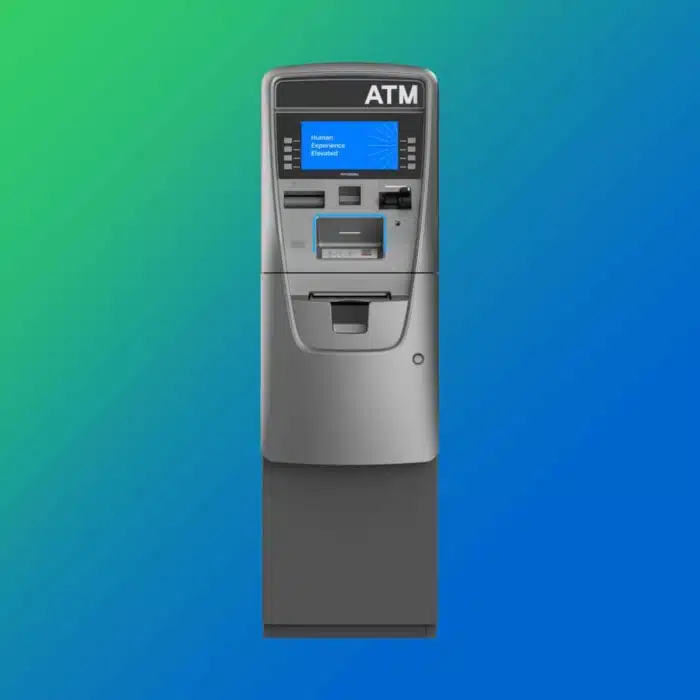
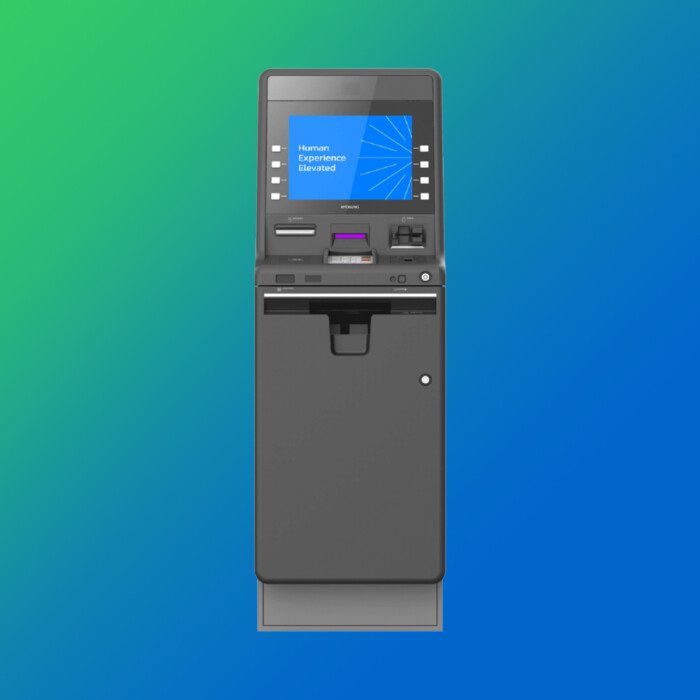
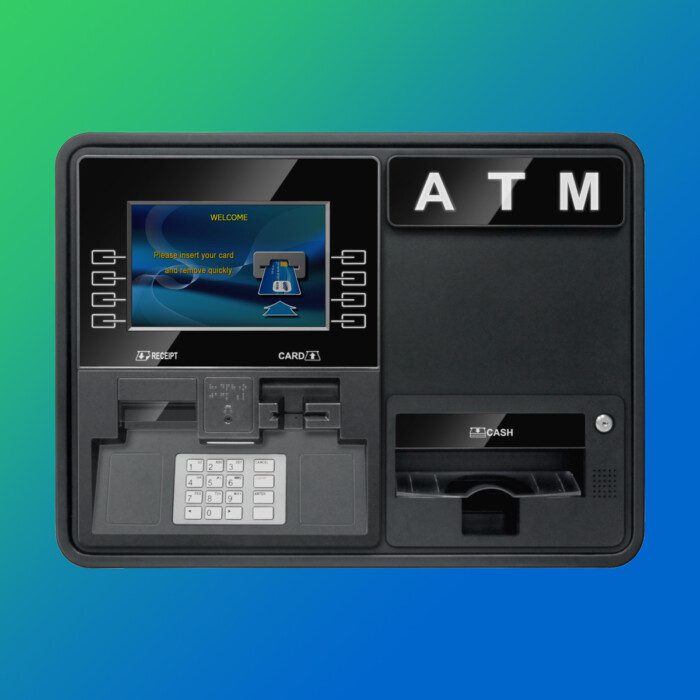
Check out some featured retail ATMs so you can see first hand how much an actual ATM is:


Ready to Get Started?
If you’re thinking about adding an ATM to your store—or you want one from a team that’s been in the industry since 1998—we’re here to help.
We’ll walk you through:
- What to buy
- Where to place it
- How to set it up
- What it should earn
- And how to avoid every mistake new buyers make
Contact Us when you are ready to get started!
Whenever you’re ready, we’re only a call or message away.
Follow Us on Social
Peter Wilkenshoff
Peter Wilkenshoff is the President of Best Products Sales and Service Inc./ BestATMstore.com. With more than 20 years in the payments industry, he has made a career out of helping businesses get paid in the simplest and smartest ways possible. Cash, cards, mobile wallets or whatever futuristic payment gadget someone invents next week, he is here for it. He loves taking the stress out of money movement and turning complex processes into something anyone can understand. When he is not working he is usually fishing, building something around the house, out on a boat, surfing or planning the next family Disneyworld trip which sounds like a strange mix until you meet him and suddenly it all adds up.
Follow Peter on LinkedIn: https://www.linkedin.com/in/peter-wilkenshoff/
Join our Newsletter